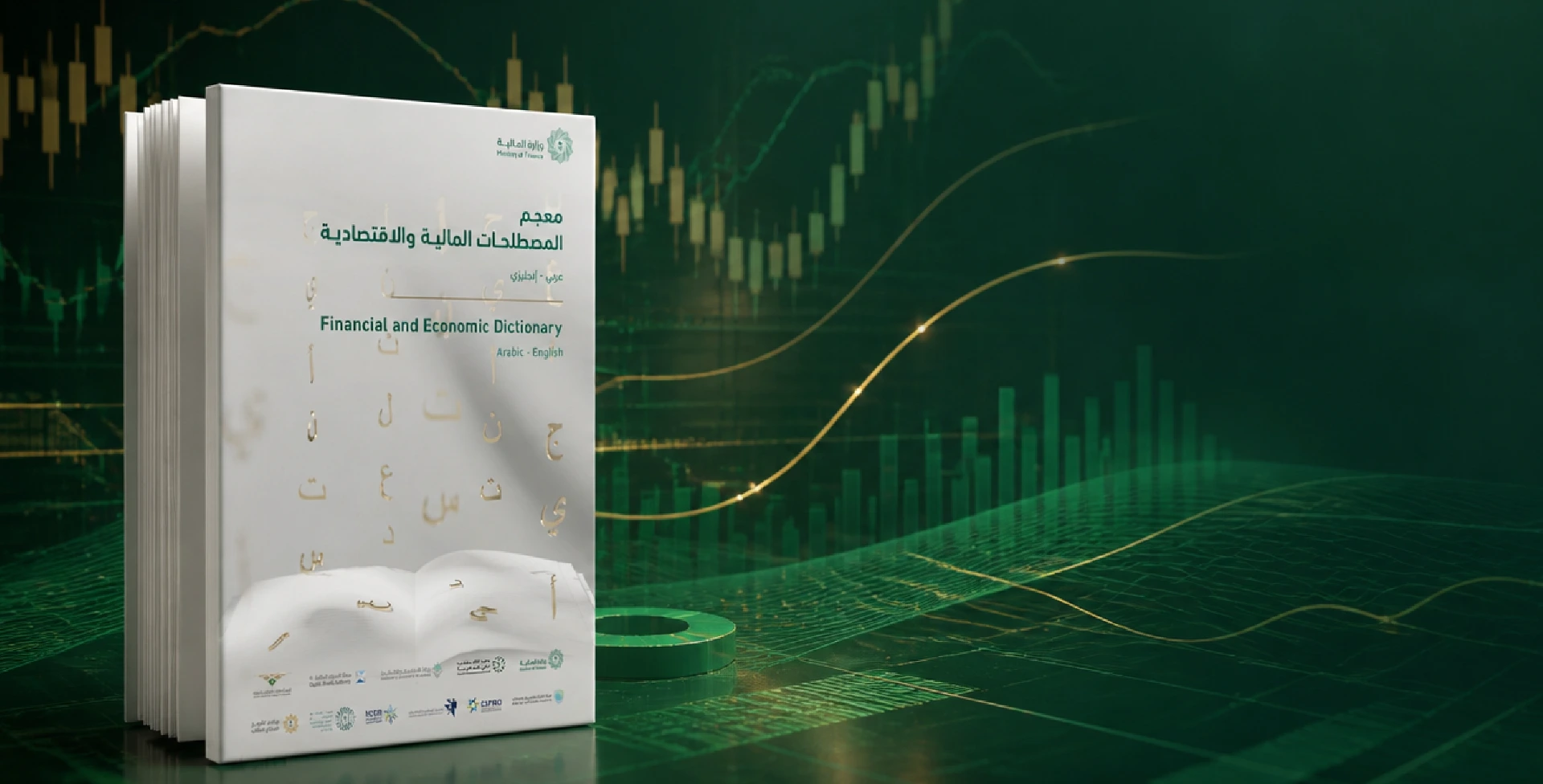
Your gateway to comprehensive financial knowledge with more than 2000 financial and economic terms
Most searched terms
Customs Duty Refund
An amount of import duties and taxes repaid under the drawback procedure.
Customer Win-Back
Strategic efforts by organizations to re-engage and regain customers who have stopped using a product or service or become inactive.
Digital Colonialism
The control and dominance of digital infrastructure, data, and technology by powerful corporations or nations.
Oil Prices
The monetary value at which a barrel of crude oil is sold in the global markets.
Brent Oil Prices
The price of Brent crude oil, a major trading classification of sweet light crude oil, used as a major trading classification for global oil prices.
Unsecured Issuances
Financial instruments, such as bonds or loans, that do not have specific collateral or assets pledged as security for repayment, relying on the issuer's creditworthiness.
Prevailing Prices
Benchmarking of all similar projects to determine the prevailing price.
Independent Persons
Persons that are not related persons or persons under common control.
Quick Assets
A measure of an entity's ability to meet its short-term financial obligations using its most liquid assets, excluding inventory.
Sender Policy Framework (SPF)
An email authentication protocol to prevent phishing attacks.
Environmental, Social, and Governance (ESG) Considerations
ESG considerations refer to the evaluation of a company's impact on the environment, society, and corporate governance practices, often used for responsible investing and risk assessment.
Suggestion
A recommendation or idea provided by a beneficiary or user to improve a product, service, or process.
Tax Reforms
Changes to tax policies aimed at improving efficiency, fairness, or revenue collection.
Sovereign Net Foreign Assets (SNFA)
A measure of a country's international financial position, indicating the value of its foreign assets minus its foreign liabilities.
Tangible Assets
Assets that have a physical form or substance. Tangible assets include both fixed assets, such as machinery, buildings, and land, and current assets, such as inventory of goods and crops.
Supply Chain Disruption
Interruptions in the flow of goods and services due to external factors.
Reevaluation
A process through which the estimated value of assets including properties, economic facilities, machinery, equipment, or any movable property, except securities, is updated based on a specific valuation standard and for a specific purpose.
Objection
A formal procedure made to the relevant committee or judicial body by a taxable person to an assessment or decision issued by the authority.
Incident Closure
The final step in the incident management process, indicating that the incident has been satisfactorily resolved and closed.
Releasing
Taking the excise goods out of the suspended status to the taxation status, and from the tax depository to the markets to be available for customers.
Visitors
Searches