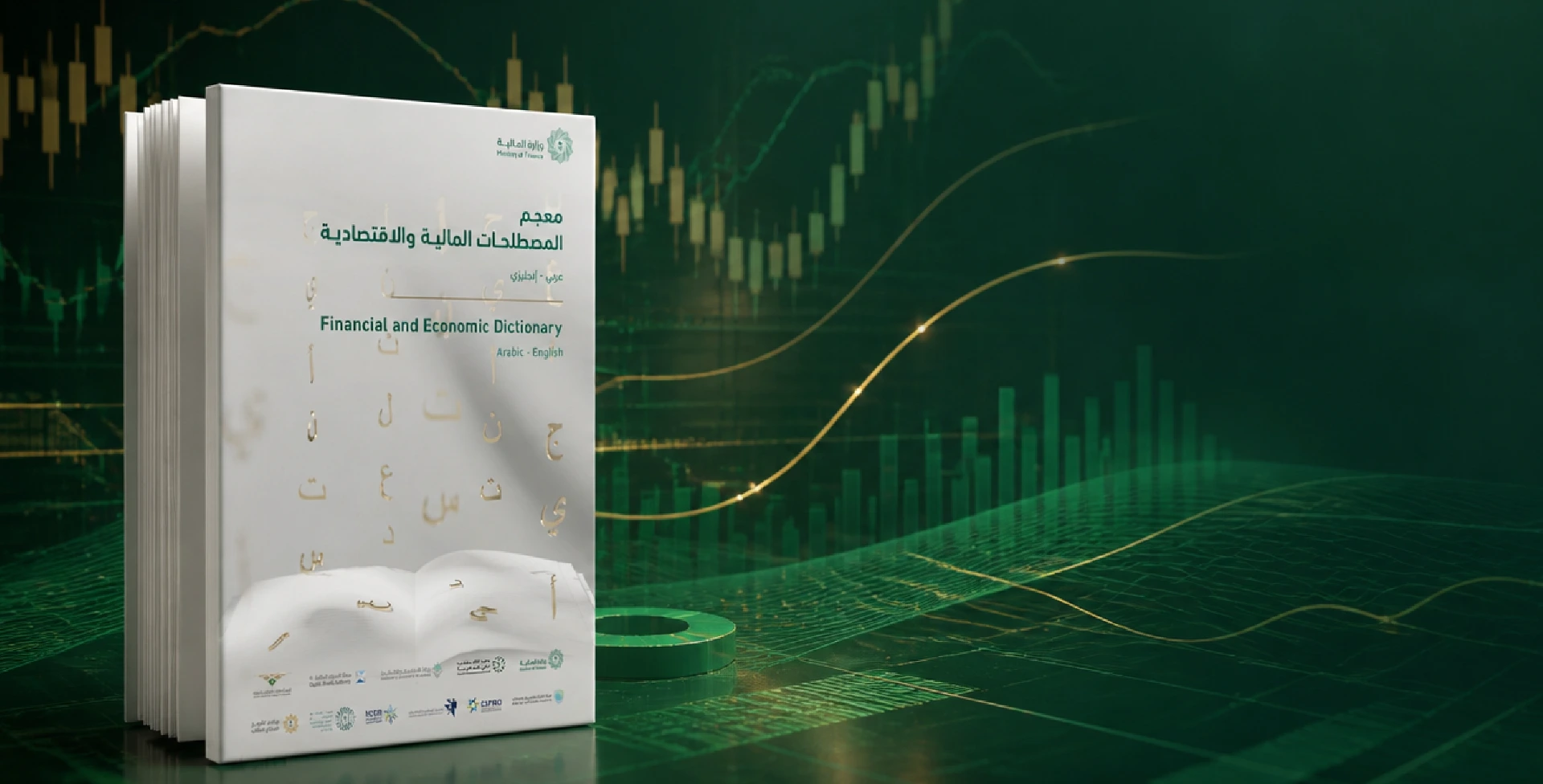
Your gateway to comprehensive financial knowledge with more than 2000 financial and economic terms
Most searched terms
Customs Duty Refund
An amount of import duties and taxes repaid under the drawback procedure.
Customer Win-Back
Strategic efforts by organizations to re-engage and regain customers who have stopped using a product or service or become inactive.
Digital Colonialism
The control and dominance of digital infrastructure, data, and technology by powerful corporations or nations.
Oil Prices
The monetary value at which a barrel of crude oil is sold in the global markets.
Brent Oil Prices
The price of Brent crude oil, a major trading classification of sweet light crude oil, used as a major trading classification for global oil prices.
Unsecured Issuances
Financial instruments, such as bonds or loans, that do not have specific collateral or assets pledged as security for repayment, relying on the issuer's creditworthiness.
Prevailing Prices
Benchmarking of all similar projects to determine the prevailing price.
Independent Persons
Persons that are not related persons or persons under common control.
Quick Assets
A measure of an entity's ability to meet its short-term financial obligations using its most liquid assets, excluding inventory.
Sender Policy Framework (SPF)
An email authentication protocol to prevent phishing attacks.
Environmental, Social, and Governance (ESG) Considerations
ESG considerations refer to the evaluation of a company's impact on the environment, society, and corporate governance practices, often used for responsible investing and risk assessment.
Suggestion
A recommendation or idea provided by a beneficiary or user to improve a product, service, or process.
Tax Reforms
Changes to tax policies aimed at improving efficiency, fairness, or revenue collection.
Sovereign Net Foreign Assets (SNFA)
A measure of a country's international financial position, indicating the value of its foreign assets minus its foreign liabilities.
Tangible Assets
Assets that have a physical form or substance. Tangible assets include both fixed assets, such as machinery, buildings, and land, and current assets, such as inventory of goods and crops.
Supply Chain Disruption
Interruptions in the flow of goods and services due to external factors.
Reevaluation
A process through which the estimated value of assets including properties, economic facilities, machinery, equipment, or any movable property, except securities, is updated based on a specific valuation standard and for a specific purpose.
Objection
A formal procedure made to the relevant committee or judicial body by a taxable person to an assessment or decision issued by the authority.
Incident Closure
The final step in the incident management process, indicating that the incident has been satisfactorily resolved and closed.
Releasing
Taking the excise goods out of the suspended status to the taxation status, and from the tax depository to the markets to be available for customers.
Green Economy
An economic system focused on sustainability and reducing environmental impact.
Economies of Scale
The cost advantages that enterprises obtain due to their scale of operation, with cost per unit decreasing as the size of the operation grows.
Circular Economy
An economic model that minimizes waste by reusing, repairing, and recycling resources.
Circular Carbon Economy
A sustainable economic model that focuses on reducing, reusing, recycling, and recovering carbon to minimize environmental impact.
Overstimulated Economy
An economic condition where excessive demand leads to high inflation and instability.
Developed Economies
Countries that have high levels of economic growth, advanced infrastructure, strong industrial and service sectors, as well as high per capita income and living standards.
Emerging Economies
Countries experiencing rapid economic growth, transitioning from developing to developed economies, with improvements in infrastructure, industry, and increased foreign investments.
Divisions
Distinct units or segments within an organization, each responsible for specific functions, products, services, or geographic regions.
Blue Economy
The sustainable use of ocean resources for economic growth, improved livelihoods, and jobs, while preserving the health of ocean ecosystems.
Platform Economy
An economic model that relies on digital platforms (apps or websites) to connect individuals or businesses with each other to exchange goods or services. In this model, the platform does not own the products or services itself, but facilitates the exchange between users.
Fixed Liability
Represent long-term financial obligations that an entity is committed to over an extended period, often including long-term loans, bonds, or other contractual debts.
Deregistration
The request submitted by the taxpayer to cancel his registration once he stops practicing any of the activities that require registration, or if the registration requirements are no more applicable in accordance with the relevant laws, regulations, and instructions.
Accessibility
Services should be easily accessible to all users, covering inclusivity, equality, and providing or engaging ease of access.
Registered Payment Order
Total value of the registered payment orders by which the undisbursed balance item is attached.
Information Security
Information Security is basically the practice of preventing unauthorized access, use, disclosure, disruption, modification, inspection, recording or destruction of information by providing the necessary means and methods to protect it from internal and external risks.
Funds Subject to Zakat
Any funds resulting from any business established for the purpose of earning money, whether it is commercial, industrial.....etc.
Industrial Production
The output of manufacturing, mining, and utilities sectors, indicating the level of industrial activity in an economy.
Crude Oil Production
The process of extracting crude oil from oil wells or held within a country, which significantly impacts government revenues.
Economic Productivity
The efficiency of resource use in producing goods and services, measured as output per unit of input.
Overall Economic Productivity
A measure of how efficiently an economy utilizes its resources to produce goods and services.
Visitors
Searches