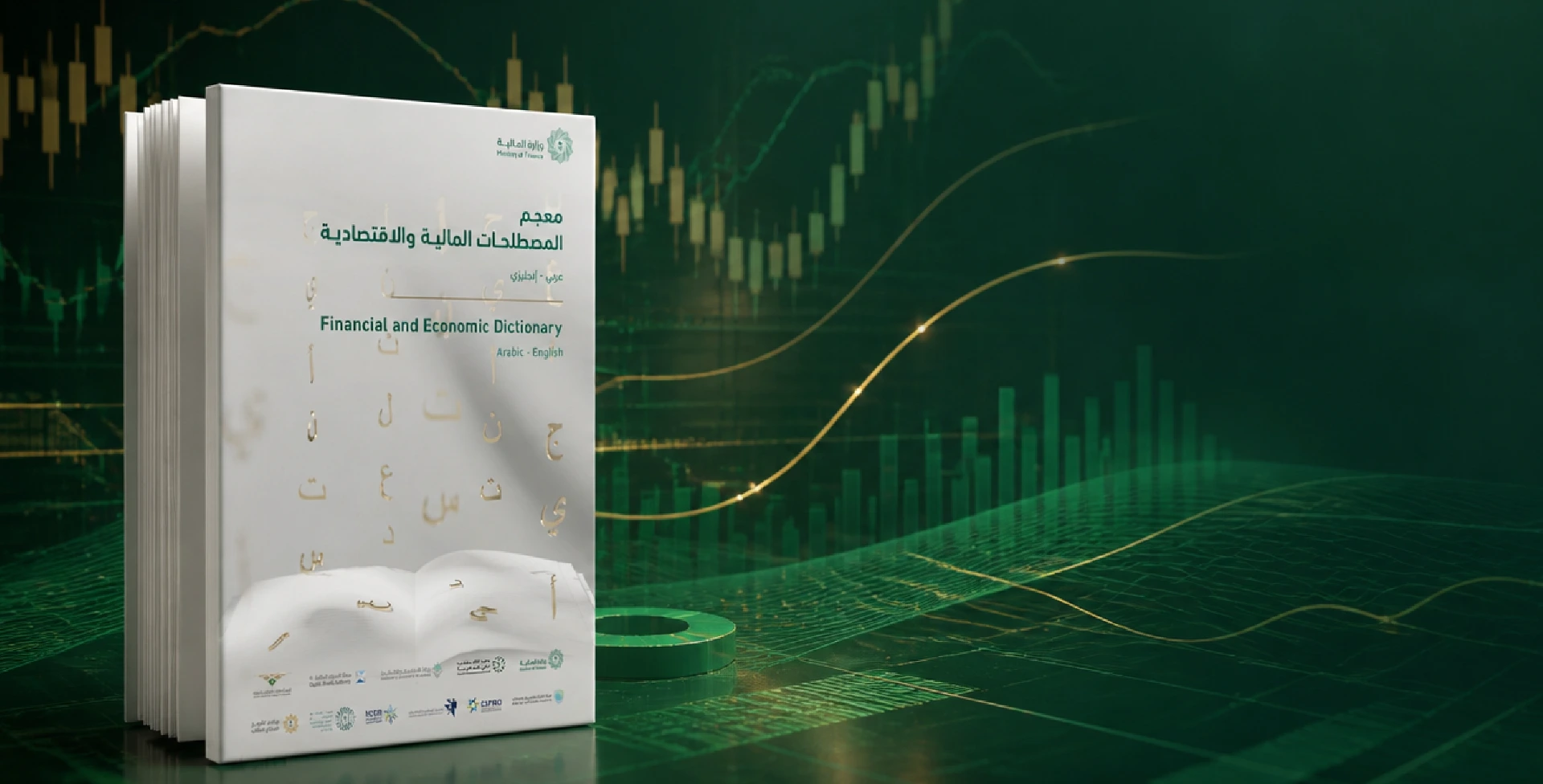
Your gateway to comprehensive financial knowledge with more than 2000 financial and economic terms
Most searched terms
Investment Grade
The rating category associated with relatively low default risks granted by recognized credit rating agencies.
Deferred Payment
A payment system that enables a customer to make a purchase at a participating retailer and choose to buy now, pay later.
Country of Tax Jurisdiction
The country in which the person is subject to tax or the jurisdiction in which a person is considered a person subject to tax or a taxpayer pursue- ant to the laws of that jurisdiction.
Beneficiary Intelligence
The process of collecting, analyzing, and leveraging data and insights about beneficiaries to make informed business decisions. It involves gathering information from various sources to understand customer behaviors, preferences, and needs.
Economic Leverage
The use of borrowed capital (debt) to amplify returns on investment, often referred to as the debt-to-equity ratio.
Zakat Assessment
A decision by the Zakat, Tax and Customs Authority that discloses its acceptance of the declaration or its amendment according to the information available to it, and the applicable procedures in ZATCA.
First Quarter (Q1)
The first period of the year is the time span from January to March. During this period, economic performance for the early months of the year is assessed, and financial reports and corporate performance for the first three months are typically presented.
Second Quarter (Q2)
The second period of the year is the time span from April to June. This period is used to assess the economic growth that takes place after the first quarter, and it includes many reports on mid-year performance analysis.
Third Quarter (Q3)
The third period of the year is the time span from July to September. This period is important for reviewing economic performance and annual growth as the year progresses. Focus is placed on forecasts and future trends.
Fourth Quarter (Q4)
The fourth period of the year is the time span from October to December. This period typically sees a comprehensive review of the second half of the year and is used to provide final financial reports, including annual assessments of profits and losses.
Beneficiary Journey
All interactions and steps a beneficiary goes through, starting from the discovery stage up to receiving support or service.
Beneficiary Journey Mapping
A visual representation of the steps and touchpoints the customer.
Non-Investment Grade
Bonds or securities with credit ratings below investment-grade, indicating higher risk.
Live Chat
A system for serving beneficiaries online, which includes an instant messaging tool, a support and assistance tool, as well as the ability to analyze data on the web.
Commercial Books
A set of Records and accounting kept by the taxpayer, in which he records all the details of his business activities.
Economic Cycle
The recurring periods of expansion and contraction in an economy, including phases of growth, peak, recession, and shrinking.
Digital Services Life Cycle
All stages that the digital service goes through, such as: discovering beneficiary requirements and current challenges, defining digital services, designing service delivery procedures and channels, releasing it to beneficiaries, managing it and measuring its performance.
Government Related Entity Debt (GRED)
Debt issued by entities affiliated with the government, such as state-owned enterprises, that can impact the government's overall financial position.
Government Debt
The total amount of money owed by a government, typically in the form of bonds and other financial instruments, which may be issued to finance budget deficits.
Priority Debt
A type of debt that has a higher priority for repayment in the event of a borrower's default. It is considered less risky than subordinated debt.
Visitors
Searches